
Horizontal tank after modification
Shell strength of an existing GOST tank checked after modification, along with lifting lug capacity. Safer lugs were designed off the result.
Engineering problems our engineers have worked through. Client names and project details stay out of it: most of this work sits under confidentiality.
Shell strength of an existing GOST tank checked after modification, along with lifting lug capacity. Safer lugs were designed off the result.

Capacity of a corroded roof to take new equipment was assessed; the roof was reinforced with new columns rather than risking collapse.
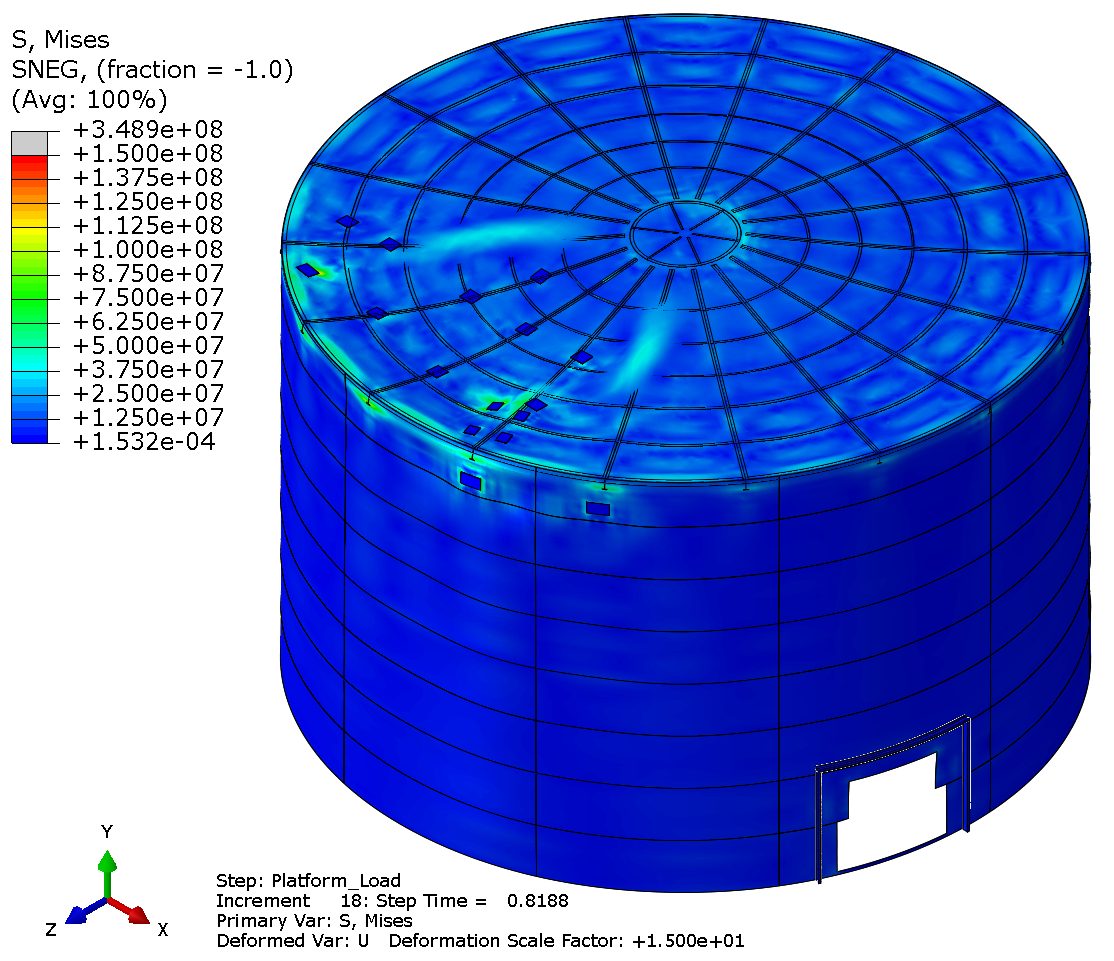
Wind loading and shell stresses were modelled to assess the proposed opening for repair work.

A thermodynamic model of trace heated lines identified the overheating risk and informed measures to reduce the risk of caustic stress corrosion cracking.

Flow analysis confirmed that inlet and outlet nozzles placed close together would not short circuit, and the tank contents mix through the volume.

Where the simplified ASME check did not pass, a detailed analysis of the joints was carried out, which avoided re-routing piping in a congested brownfield area.
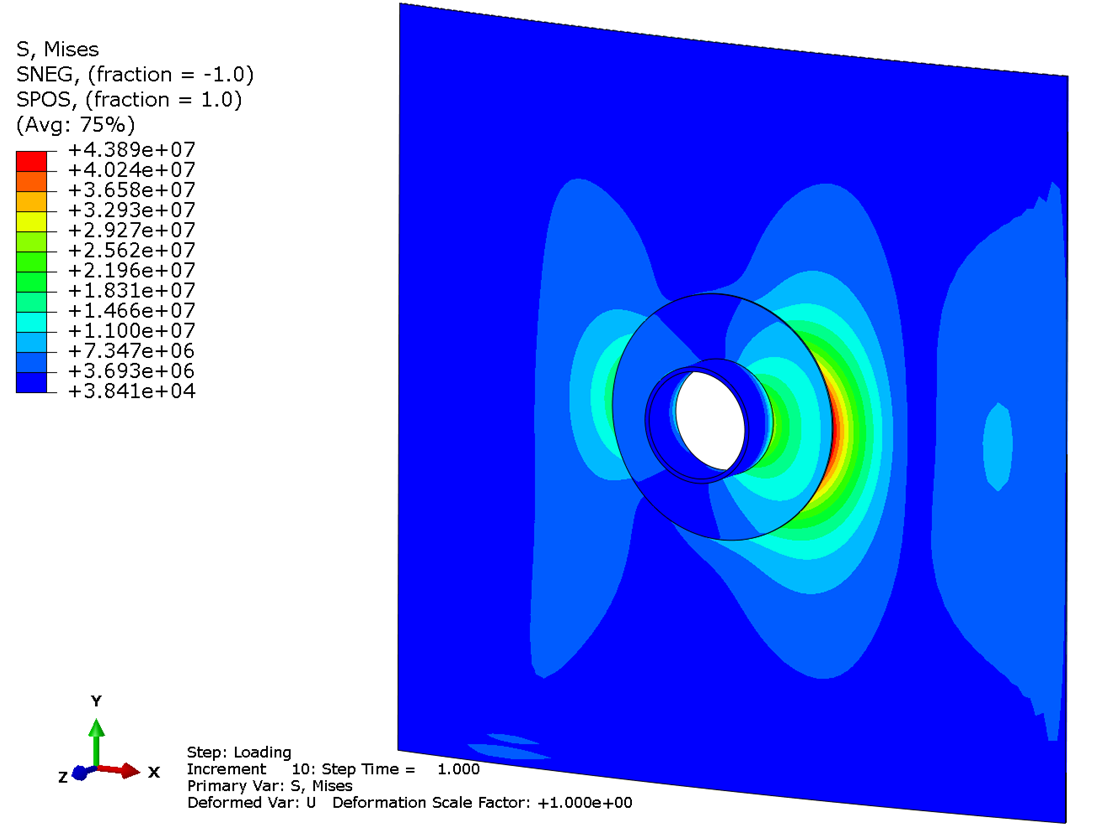
Allowable loads were established for new nozzles on an existing tank, with the shell stresses assessed against them.

Where the standard calculation did not apply, trunnion capacity was verified directly, which optimised the layout and cut material.
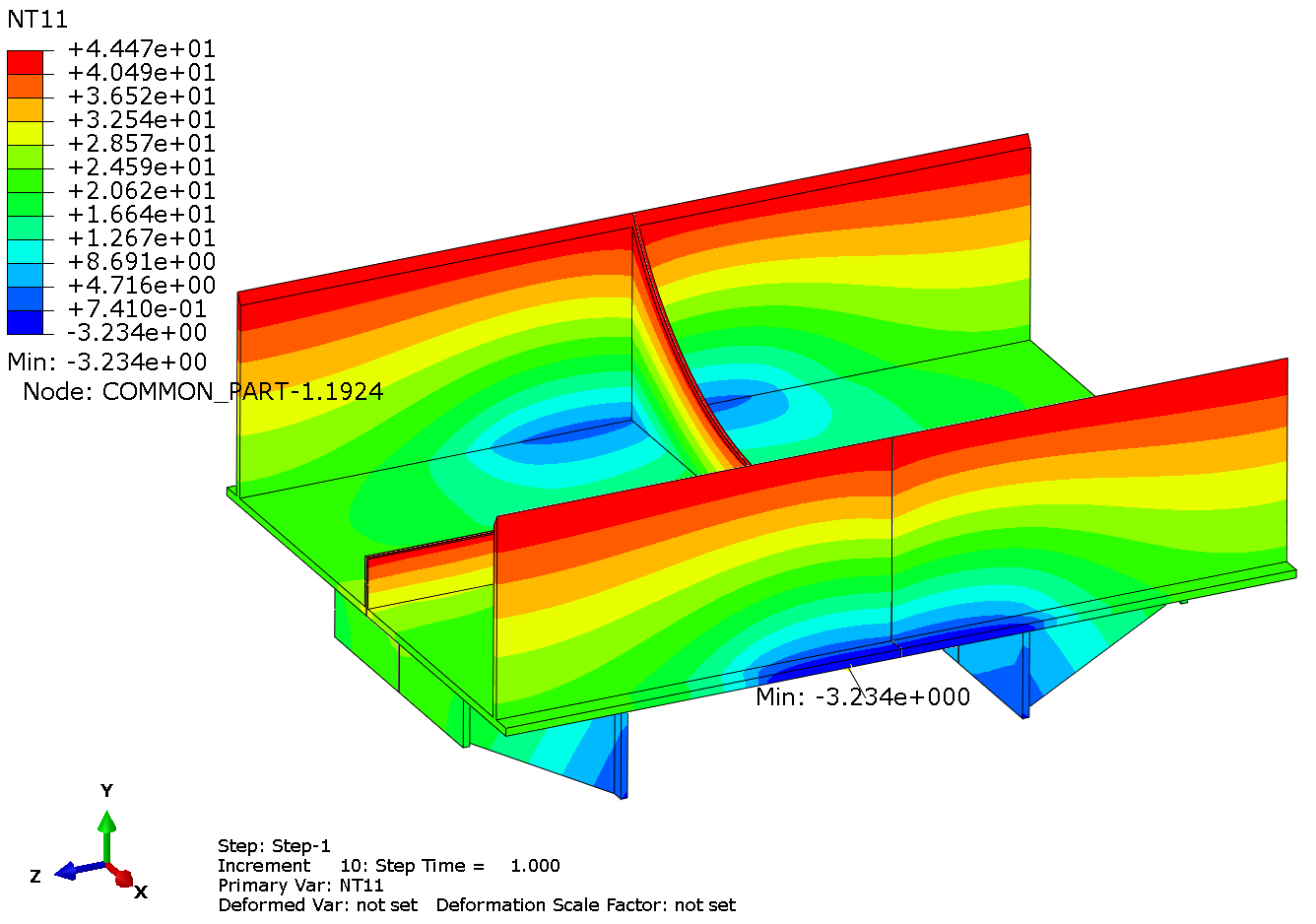
The actual capacity of a support made from incorrect material was determined, and it was replaced on safety grounds.

Thermal analysis of a support made from steel outside its temperature rating assessed the brittle fracture risk during winter operation.

Temperature distribution in a water tank with a steam coil was modelled to assess the proposed test procedure.
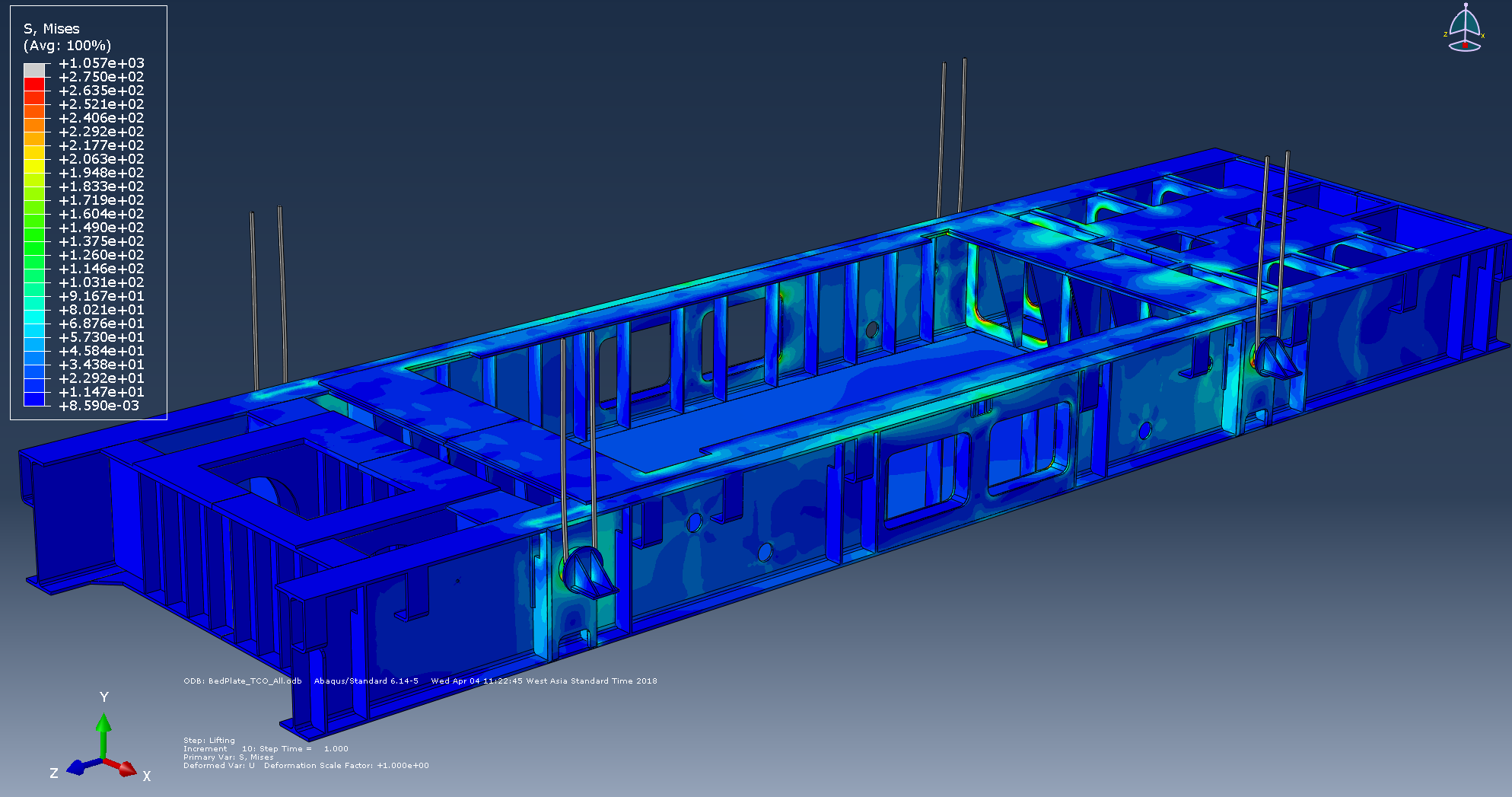
Stresses in the frame and its trunnions during the lift showed that it had to be lifted element by element to avoid failure.
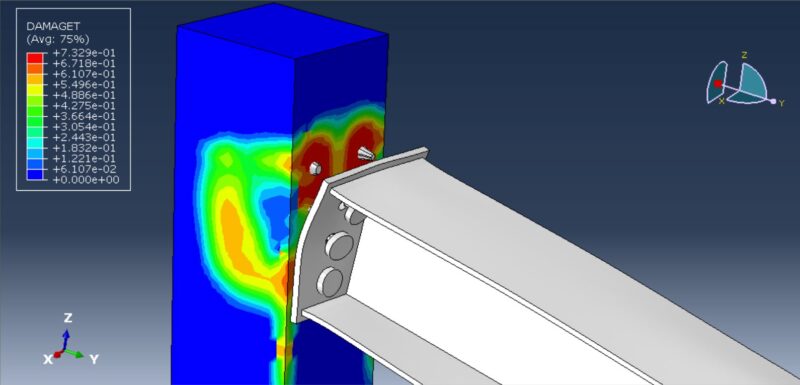
A critical connection in a multi storey steel building was checked at maximum load, with bolts and welds brought to requirement without over engineering.
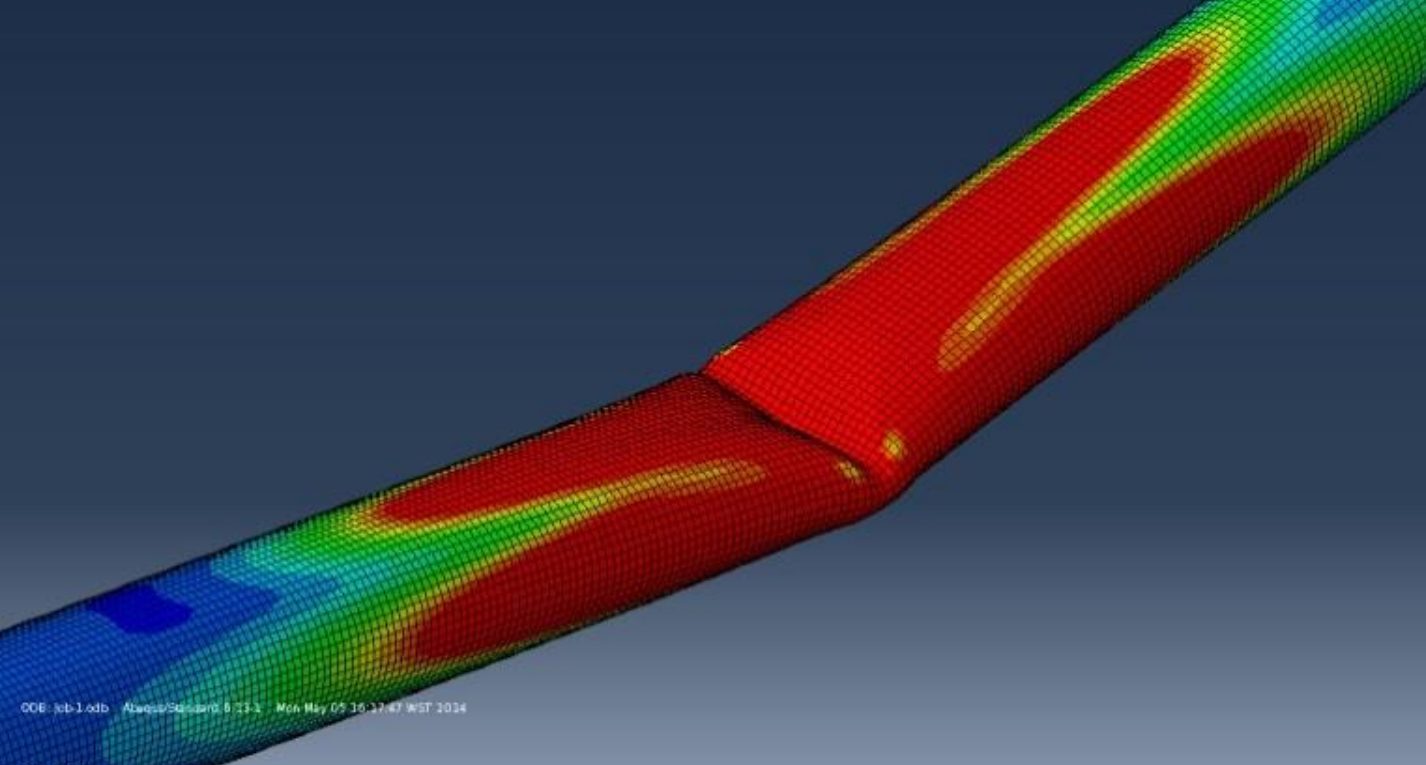
Global buckling behaviour under operating loads was predicted, the buckle location and shape identified, and stresses stayed within limits without costly mitigation.

Flow and acoustically induced vibration assessment, supported by natural frequency analysis, located the fatigue risk and fixed small bore connections and bracing.
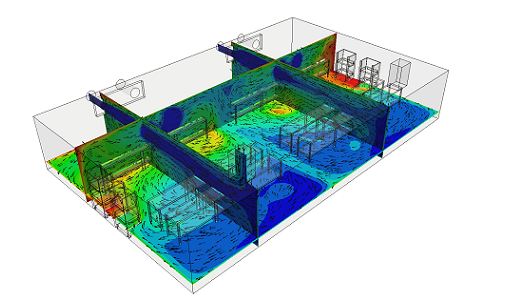
Airflow and thermal distribution in a pharmaceutical cold store were visualised, and the fix was a targeted diffuser adjustment rather than new equipment.
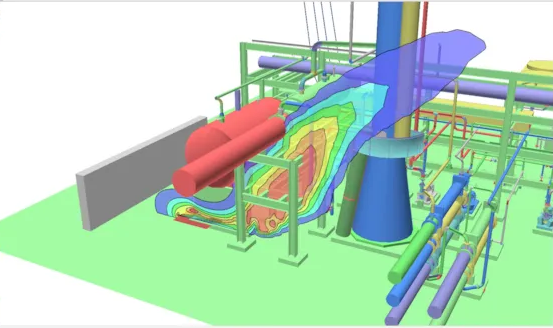
A release at a petrochemical facility was modelled against the plant layout and weather data, which informed detector placement and the emergency response plan.
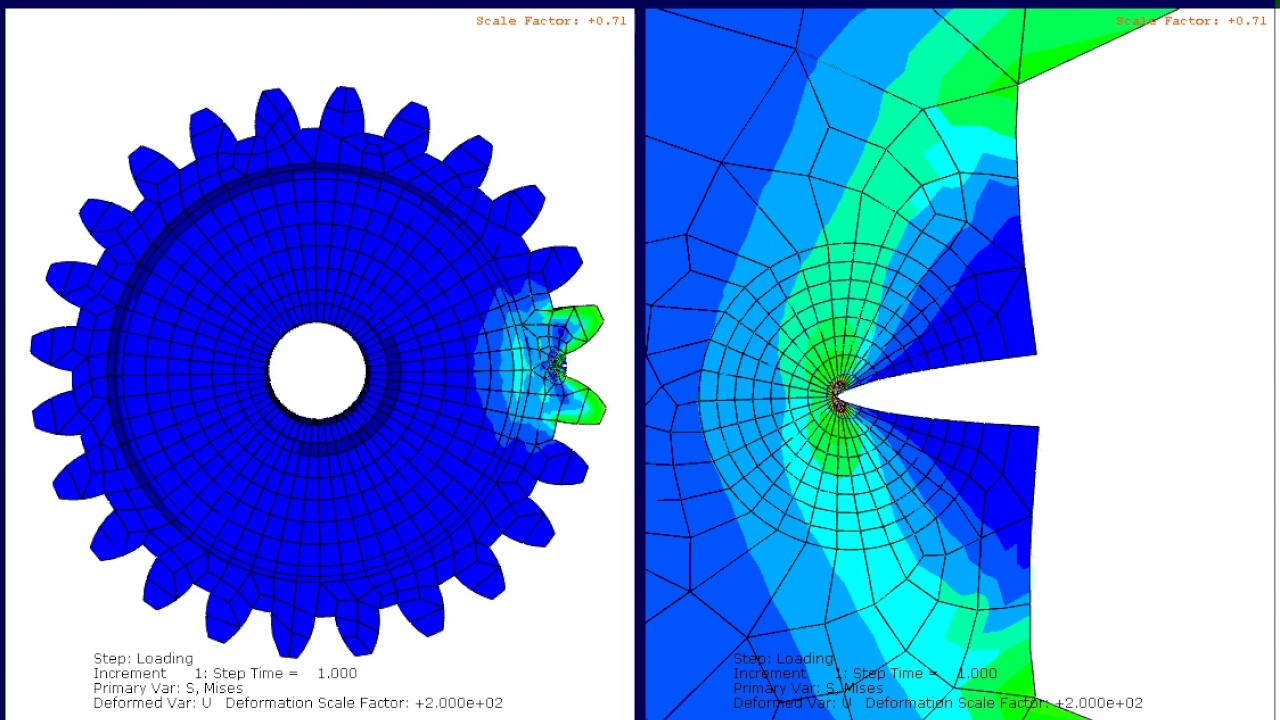
Fracture mechanics analysis estimated fatigue life from an existing tooth-root flaw and informed the inspection interval.
Tell us what has to be decided and what data exists. We will say what would answer it, and when a simpler check would do.